 Fresh produce markets are a vital rural and urban economic driver, but poor investment in infrastructure is threatening their existence and sustainability.
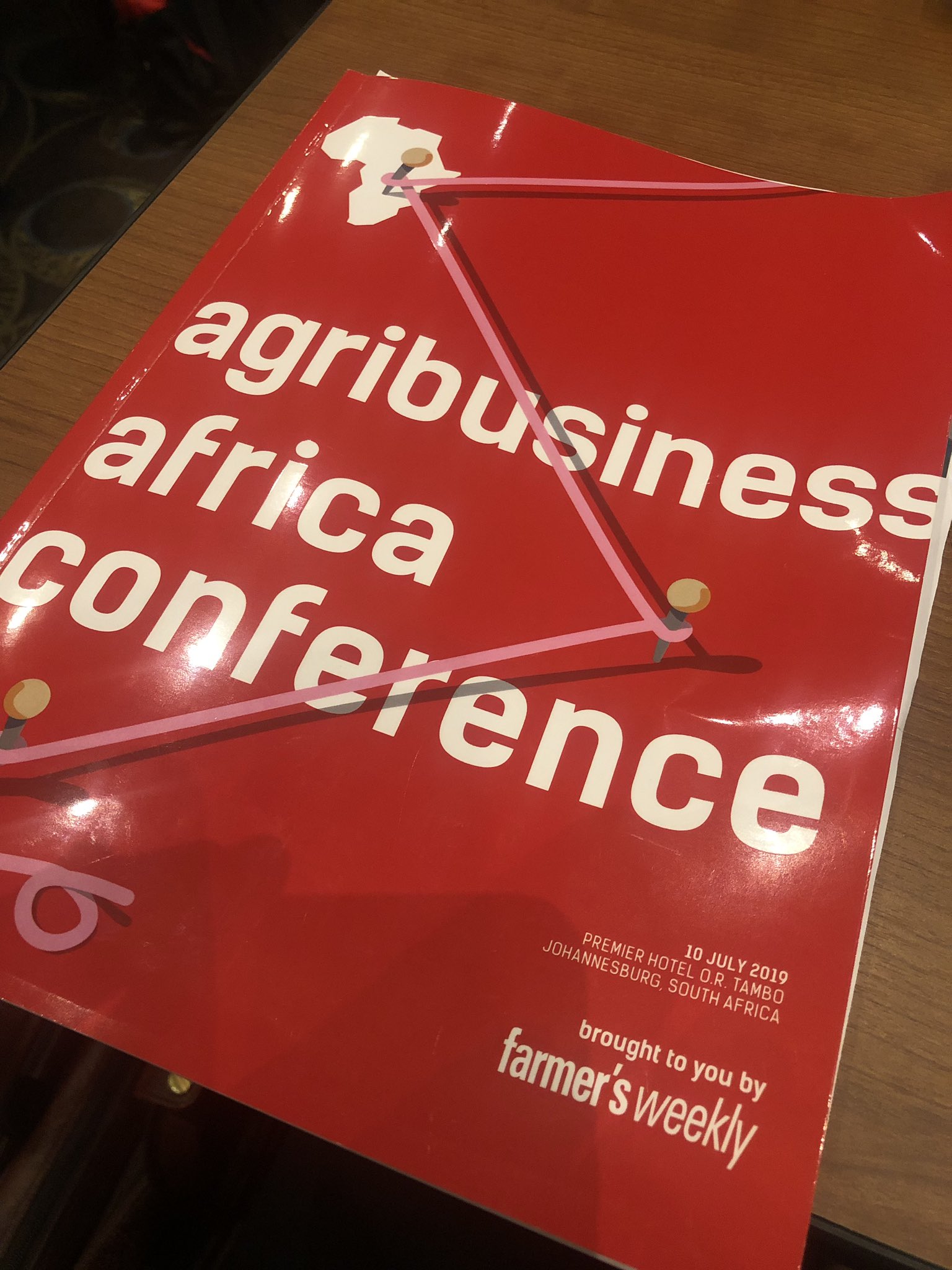
These were the sentiments of Ayanda Kanana, the Chief Executive Officer of the Joburg Market on Wednesday, 10 July, at the Agribusiness Africa conference on the East Rand.
The conference was hosted by Farmer’s Weekly, South Africa’s oldest agricultural magazine.
Kanana told the conference that the Joburg Market was a conduit that gives farmers access to sell their produce to a multiplicity of consumers. He called for the private sector to plough investment into the facility in City Deep in order to expand its operations.
“The market cannot operate in a silo. Farmers need to collaborate more with us,” he said.
Kanana said the full value chain of fresh produce markets across the country had surpassed the R140 billion mark over 10 years.
As of the end of June 2019, the Joburg Market had recorded a turnover of about R7.9 billion as shown in unaudited figures for the 2018/19 fiscal period.
Jaco Oosthuizen, the CEO of RSA Group, South Africa’s biggest fresh produce sales agency in Africa, said fresh produce markets were key enablers of economic growth and urged farmers to support them.
“There’s a place for everyone in fresh produce markets, big and small buyers and all qualities of produce are available,” Oosthuizen said.
He also said that fresh produce markets needed to mechanise and be more open to digital technology, but warned that that was not the only solution to growing the agribusiness.
Other topics tackled at the conference were Africa’s ability to deal effectively with climate change and how this affects inter-regional agricultural trade.
Conference speakers concurred that climate change had emerged as one of the biggest risks and challenges to agribusinesses and that revenue in the sector would likely decrease by 2100.
Farmers needed to adapt to green jobs, use climate detection technology, produce climate friendly goods, enhance financing options for climate friendly technologies, lobby for reformed climate friendly policies and create social protection for workers to be resilient in order to mitigate the risk of climate change.
The annual conference was attended by stakeholders from across the agribusiness spectrum, including farmers, agriculture experts, academics, traders and agri scientists.

