At the young age of 33 years, Nombali Khuboni from UMzimkhulu in KwaZulu-Natal works as a Banana-Ripening Supervisor at the Joburg Market.
As a young girl growing up ezilalini (rural areas), Nombali never imagined doing such a job or that it even existed.
Her passion for banana ripening developed when she was doing a plant physiology module at university and was intrigued by the ripening process.
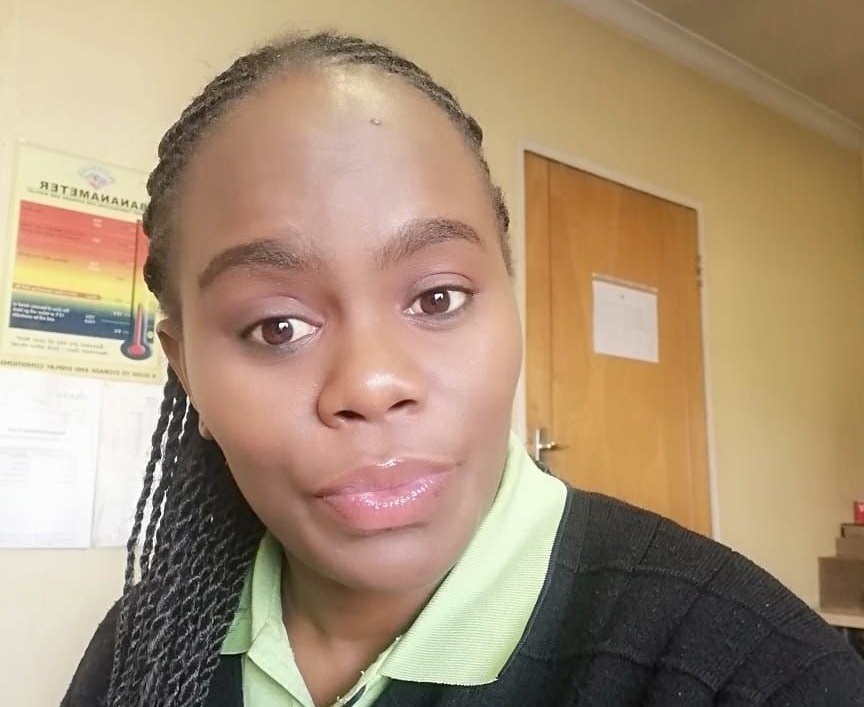
A Unisa alumnus with a B-Tech degree in Agricultural Management and a Diploma in Crop Production from the Tshwane University of Technology, Nombali started working at the Market in 2010.
She is reserved but radiant with quiet confidence. She enjoys reading, watching movies and attending motivational talks as well as stand-up comedy shows.
With 12 colleagues who help with ripening, cleaning, receiving and forklift driving, Nombali supervises 57 ripening rooms that accommodate about 1 721 pallets (1 548.90 tons) of bananas at a time. The facility assists farmers with the ripening of bananas in off-seasons and is presumed to be the largest one in the country.
Nombali and her colleagues receive bananas while they are still green and raw in their A1 stage. They are then ripened using alkaline gas under controlled temperatures, according to the specifications of the sales personnel, who request for them when they are ready to be sold.
Nombali’s time at the Market has encouraged her to strive to make a meaningful impact in agriculture. Looking at the limited number of women making a visible and dominant contribution throughout the agriculture value chain, Nombali wants to use the experience and knowledge she has gained at the Joburg Market to help break gender stereotypes in the industry.
“I want a girl-child to be motivated and believe that gender does not define her capability,” she says.
However, Nombali’s aspirations go beyond the Joburg Market. Her vision is to own her own farm and have private ripening facilities. “In this way, I will help fight poverty by creating employment in rural areas through agriculture,” she says.
Written by Londiwe Mthethwa

