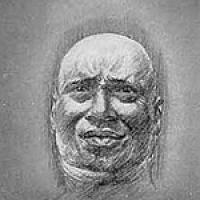
 These Johannesburg settlements that stretched from Northcliff and Lonehill in the north, through Melville in the west, Bruma in the east, to Klipriviersberg in the south, lived and traded peacefully with one another. That is, until 1823, when the warrior Mzilikazi, who was ousted from KwaZulu-Natal by the powerful Zulu king Shaka and his impis, settled in the area. Mzilikazi consolidated his army from defeated tribes, and had his first capital near Heidelberg, around 80 kilometres south of Johannesburg. These Johannesburg settlements that stretched from Northcliff and Lonehill in the north, through Melville in the west, Bruma in the east, to Klipriviersberg in the south, lived and traded peacefully with one another. That is, until 1823, when the warrior Mzilikazi, who was ousted from KwaZulu-Natal by the powerful Zulu king Shaka and his impis, settled in the area. Mzilikazi consolidated his army from defeated tribes, and had his first capital near Heidelberg, around 80 kilometres south of Johannesburg.
His control stretched from Heidelberg westwards, and by 1827, he had established a new capital in the Magaliesberg, 80 kilometres north west of Johannesburg. By 1829, he had an army of between 6 000 and 8 000 men.
But then a combination of factors led to the dispersal of the people. It's possible a drought hit the area, wiping out the settlements. And then the Voortrekkers moved into the area, and as a result, in 1837 Mzilikazi was forced to move further north, into Zimbabwe.
The Voortrekkers took large tracts of land as their farms, farming peacefully alongside the sparse remnants of Mzilikazi's people, the Ndebele, but all that changed in 1886, when gold was discovered on the Witwatersrand.
|

