“Kigali is the cleanest City in Africa … Fact, not fiction.”
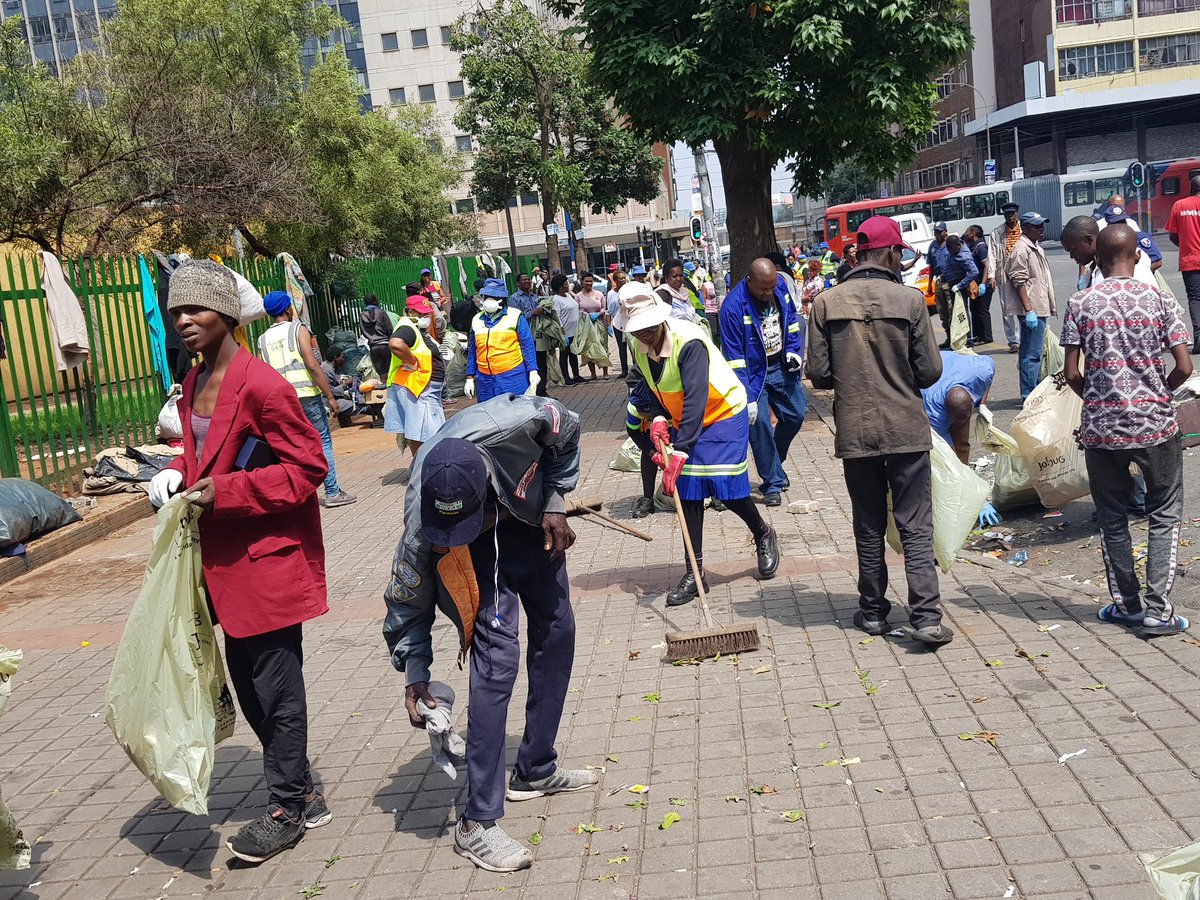
This was the general sentiment among a delegation from the City of Johannesburg that has returned from a visit to the City of Kigali in Rwanda fired up to expand the City’s A Re Sebetseng clean up initiative
They met officials from the City of Kigali and took part in Umuganda, helping to build houses, plant trees and clean up. Umuganda, which means 'coming together in common purpose to achieve an outcome' has become a clarion call for pooling energy and resources for the common good of community members across Rwanda.

Joburg officials came back raving about Umuganda and vowing to help increase the scale of A Re Sebetseng. Vicky Shuping, the Group Head of Citizen Relationship & Urban Management in Joburg, says visiting Kigali was an eye opener.
A Tale of Two Cities
The year 1994 was a watershed year for both South Africa and Rwanda as both countries recreated a new path away from the darkness of their recent past. Coming out of years of racial oppression, SA was ushered into a new democratic dispensation. In Rwanda, on the other hand, guns fell silent as peace returned to the country following four years of Civil War which saw between 500 000 and 1 million Tutsi being massacred.
The Rwanda model
Rwandans used their experience to rebuild their country, looking after the environment and uplifting the needy. For both countries, it was a period of reconstruction, but South Africa has lagged behind in caring for its environment.
Twenty five years later, Rwanda has made more strides (led the way) in caring for its environment, positioning itself as Africa’s cleanest country.
What sets Rwanda apart, says Shuping, is this:
1. It is made mandatory through legislation and policy
2. It happens on a national scale
3. It is institutionalised in all spheres of government
4. It receives resource and budget allocation from both the national government and local governments
5. It is embraced by all, and those who don’t take part are ostracized by communities
6. It is overseen by a network of committees at various levels spread across the country.
The City of Johannesburg may yet emulate this model by institutionalising A Re Sebetseng. But residents will also have to come on board by cleaning up after themselves, stopping to litter and coming out to clean on days allocated for A Re Sebetseng.